INVITATION FROM THE CHAIR OF THE SCIENTIFIC COMMITTEE
Dear Colleagues,
On behalf of the Scientific Committee of the 47th National Radiology Congress, it is my great pleasure and honor to invite you to this major scientific gathering and celebration of knowledge, which will take place in Antalya on November 24–28, 2026.
Radiology is not merely the art of imaging; it is the intellectual center of modern medicine. Today, the radiologist has evolved far beyond being an observer who interprets pixels, assuming instead the role of a “clinical navigator” who shapes the patient’s diagnostic journey, guides treatment decisions, and resolves complex clinical challenges. What transforms radiology from a simple repository of data into a living science is precisely this clinical vision we possess. And the realization of this vision — together with the preservation of our professional impact — is only possible through well-structured “algorithms” that ensure knowledge is managed effectively.
With this priority in mind, we have chosen the main theme of this year’s congress as “Diagnostic and Follow-up Algorithms in Clinical Radiology.” We envision our congress not as a static warehouse of information, but as a dynamic “Great Library of Radiology” where knowledge is processed, interpreted, and directed.
As emphasized in our motto, “From the On-Call Resident’s Handbook… to the Bedside Guide of Personalized Radiology,” we have carefully structured content for colleagues at every stage of their radiology careers, from residency to academia — much like the meticulously organized shelves of a library. Within this scientific architecture, we bring together life-saving practical algorithms in emergency radiology for our residents; guidelines focused on examination efficiency and workflow management for practicing specialists; and advanced discussions on the clinical implications of classifications and the management of “gray zones” in multidisciplinary councils for subspecialists and academic radiologists. Extending all the way to personalized medicine and artificial intelligence integration, this broad spectrum is designed to serve as a comprehensive educational hub where knowledge is systematically organized in a meaningful hierarchy.
We are further enriching the scientific depth of our congress through our traditional and highly anticipated session formats. The interactive “60 Minutes with Cases” sessions, small-group workshops designed to enhance practical skills, and half-day pre-congress courses will each find their special place among the shelves of this great library. Beloved activities such as “Film Reading Sessions,” “What We Will Talk About Among Ourselves,” and “Satellite Symposia” will add color and dynamism to our program, while oral presentations, selected paper sessions, and educational electronic posters displayed on digital platforms will continue to contribute to our academic development. In addition, the award-winning “Cases of the Day” competition where learning meets the excitement of competition will once again be waiting for you this year.
We should never forget that the roots of the sophisticated algorithms we use today lie within the radiology literature, and that the primary source of this literature has always been the landmark reference books that shaped modern radiology. In this spirit, we have chosen “Ex Libris Radiology” as the social theme of our congress in order to honor the legendary authors who left lasting marks on our libraries. By sharing the disciplined working styles, lifelong dedication to radiology, and inspiring life stories of these iconic figures within our congress halls, we will witness not only the outcomes of knowledge, but also the process through which that knowledge was built. Beyond the scientific program, our social activities will provide opportunities to reconnect with old friends and establish new ones, strengthening the bonds among members of a community united by the same ideals.
It will be our honor to welcome you to this remarkable gathering, where we will unite the solid foundations of the past with the algorithms of the future.
Sincerely,
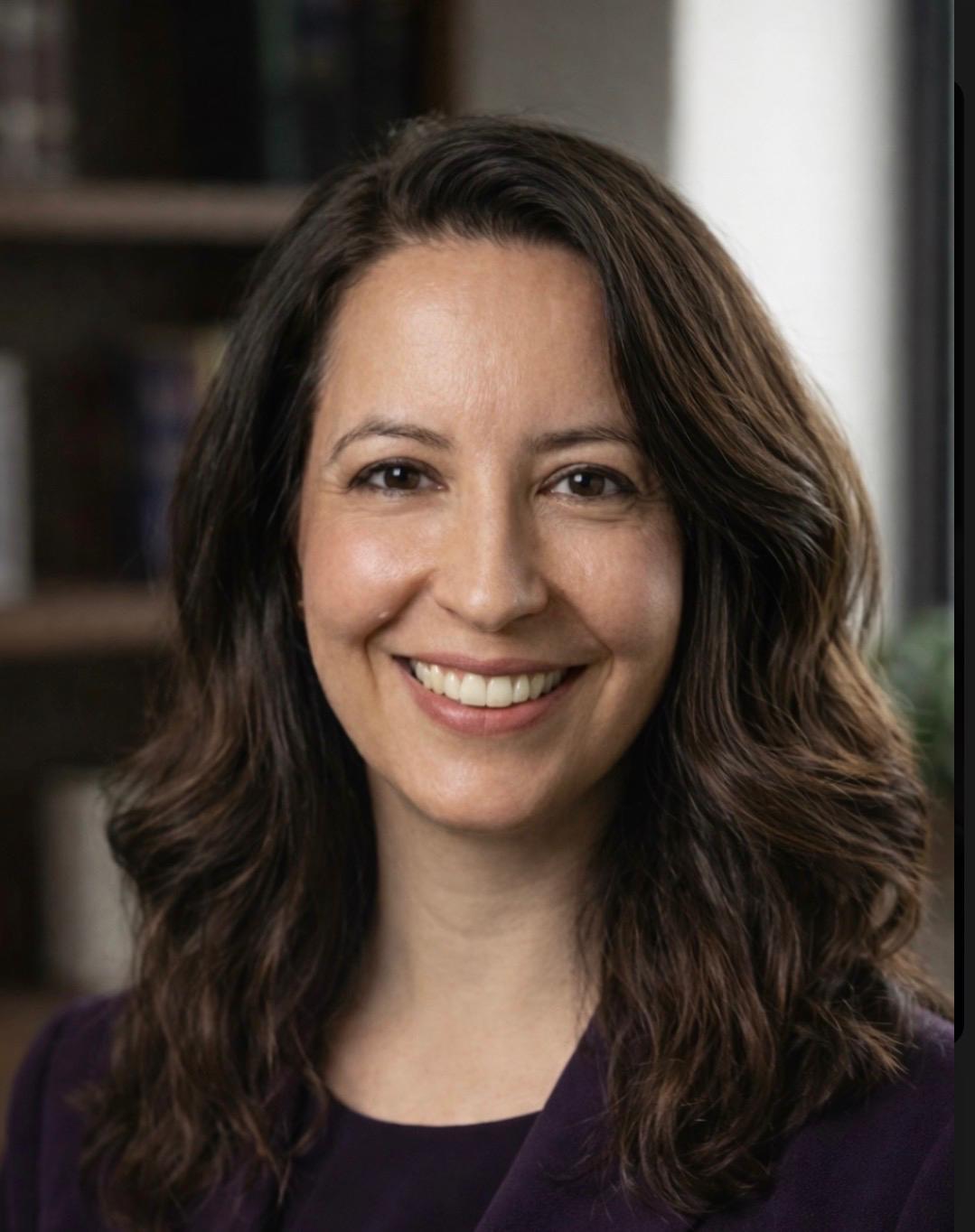
Prof. M. Gülbiz DAĞOĞLU KARTAL, MD
Chair of the Scientific Committee
47th National Radiology Congress